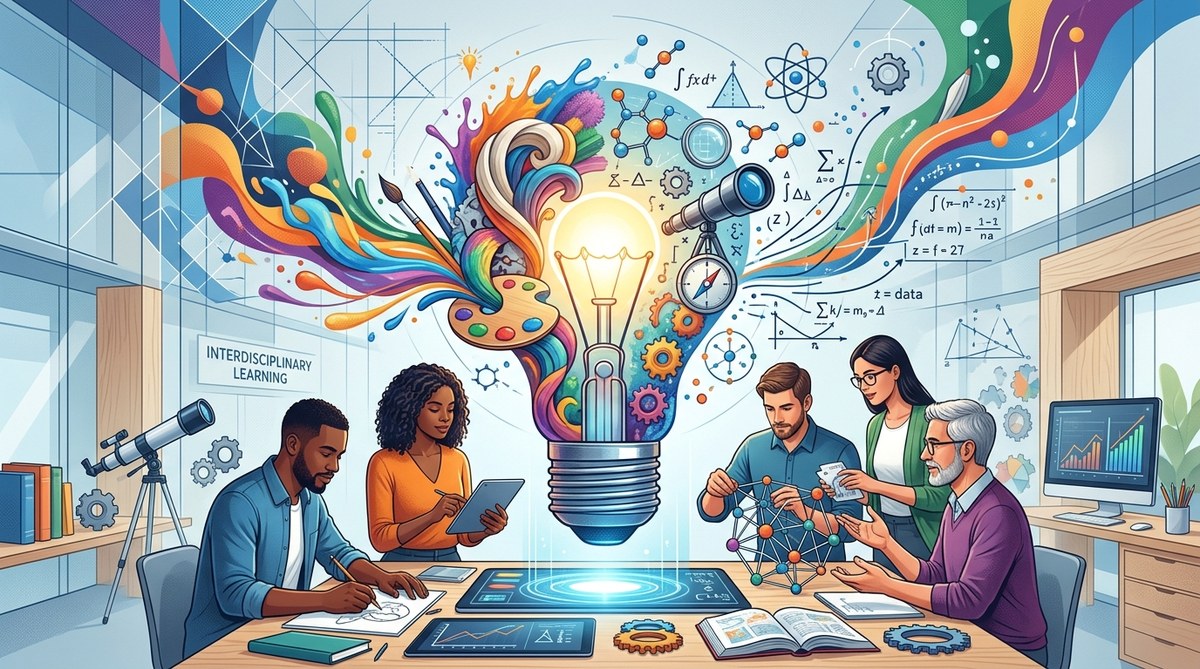
Building the bridge between art and science can transform how students approach challenges. When these disciplines come together, they create a fertile ground for creative problem-solving that broadens minds and sparks innovation. Educators, parents, and curriculum developers are increasingly recognizing that integrating arts into STEM education not only deepens understanding but also cultivates skills vital for tomorrow’s world. This approach encourages learners to see problems from multiple angles, fostering resilience and adaptability. By weaving together artistic expression and scientific inquiry, we unlock a powerful pathway to critical thinking and inventive solutions.
Integrating art and science nurtures creativity and critical thinking, equipping learners with versatile problem-solving skills. This interdisciplinary approach encourages exploration, imagination, and resilience essential for future success.
Why integrating art and science enhances problem-solving
Bringing art and science together creates a dynamic learning environment. It encourages students to think beyond conventional boundaries, fostering innovation. When learners engage in artistic activities alongside scientific concepts, they develop a deeper understanding of both fields. For example, designing a robot with artistic flair not only improves technical skills but also nurtures aesthetic sensibility. This blending boosts engagement and helps students see connections they might miss when disciplines are taught separately.
Research shows that integrating arts into STEM can improve cognitive abilities. It fosters a mindset that values curiosity, experimentation, and perseverance. These qualities are essential for tackling complex problems that do not have straightforward solutions. In addition, arts-based activities cultivate emotional intelligence, empathy, and collaboration skills—key ingredients for effective problem-solving in real-world contexts.
Practical steps to fuse art and science in the classroom
Implementing interdisciplinary activities takes planning but yields rewarding results. Here’s a straightforward process to get started:
- Identify a core concept or problem.
- Brainstorm artistic approaches that can illustrate or explore this concept.
- Design hands-on activities that combine scientific inquiry with artistic expression.
- Facilitate reflection on the process and outcomes.
- Share and critique projects to foster peer learning.
Let’s break down each step with examples:
1. Choose a scientific topic or problem
Select themes like ecosystems, chemical reactions, or physics principles. The topic should be relevant and engaging for students’ age and interests.
2. Brainstorm artistic methods
Think about how art can visualize or embody the scientific concept. For instance, creating models, paintings, animations, or performances that represent scientific phenomena.
3. Develop activities blending arts and science
Design projects such as building kinetic sculptures to demonstrate energy transfer or composing songs about the water cycle. Use materials that encourage experimentation and creativity.
4. Reflect on the experience
Encourage students to discuss what they learned, the challenges faced, and how the artistic process influenced their understanding of the science.
5. Present and critique
Organize exhibitions or presentations. Peer feedback promotes critical thinking and appreciation for diverse approaches.
Techniques to foster interdisciplinary thinking
Below is a table illustrating effective techniques and common pitfalls:
| Technique | Mistakes to Avoid |
|---|---|
| Use visual arts to illustrate concepts | Limiting art to just decoration, ignoring scientific accuracy |
| Incorporate storytelling with science | Relying on superficial narratives without depth |
| Encourage hands-on creation of models | Overlooking safety or feasibility of materials |
| Facilitate reflection on both disciplines | Neglecting to connect the artistic process with scientific understanding |
Strategies for teachers and parents
Supporting the integration of art and science involves creating an environment that encourages exploration. Here are some practical tips:
- Set aside dedicated time for interdisciplinary projects.
- Provide diverse materials that inspire creativity and experimentation.
- Ask open-ended questions that prompt deeper thinking about both artistic and scientific aspects.
- Foster a growth mindset where making mistakes is viewed as part of learning.
- Connect activities to real-world issues such as climate change or health to enhance relevance.
Engaging students through inquiry and reflection
Encourage students to ask questions like “How does this artwork represent the science?” or “What scientific principles are at play here?” Reflection helps solidify understanding and promotes a mindset open to cross-disciplinary thinking.
The impact on critical thinking and creativity
When students learn to integrate arts into scientific problems, they develop a versatile skill set. They become better at visualizing complex ideas, communicating their thoughts, and approaching challenges from multiple perspectives. This mindset is vital in fields like engineering, medicine, environmental science, and even arts and design.
By fostering environments where experimentation is welcomed and curiosity is celebrated, educators can cultivate learners who are not just consumers of knowledge but creators of solutions. These skills prepare them for careers and lives that demand innovation, adaptability, and resilience.
Practical activities to try today
- Craft artistic models of scientific concepts, such as building solar system mobiles or DNA sculptures.
- Compose music inspired by scientific phenomena like waves or vibrations.
- Use digital tools to create visual representations of data or processes.
- Design experiments that incorporate artistic elements, such as painting with chemical reactions.
Continuing the journey of interdisciplinary learning
Incorporating art and science for creative problem-solving isn’t a one-time effort. It’s an ongoing process that evolves with students’ interests and societal needs. Facilitating collaborative projects, connecting with local artists or scientists, and integrating current events can sustain engagement and deepen understanding.
To learn more about how to unlock creativity in your classroom through interdisciplinary approaches, consider visiting this guide on merging art and science. It offers practical ideas and real-world examples to inspire your efforts.
A final word on nurturing innovative minds
Fostering a classroom culture that values both artistic expression and scientific inquiry creates a vibrant space for learning. It encourages students to see problems as opportunities for creative solutions. By blending these disciplines, we prepare learners to tackle future challenges with confidence and imagination.
Remember, the key lies in curiosity, experimentation, and reflection. Embedding art and science into your educational approach can transform how students view the world and their potential within it. Start small, stay consistent, and watch as young minds flourish into inventive problem solvers ready to make a difference.