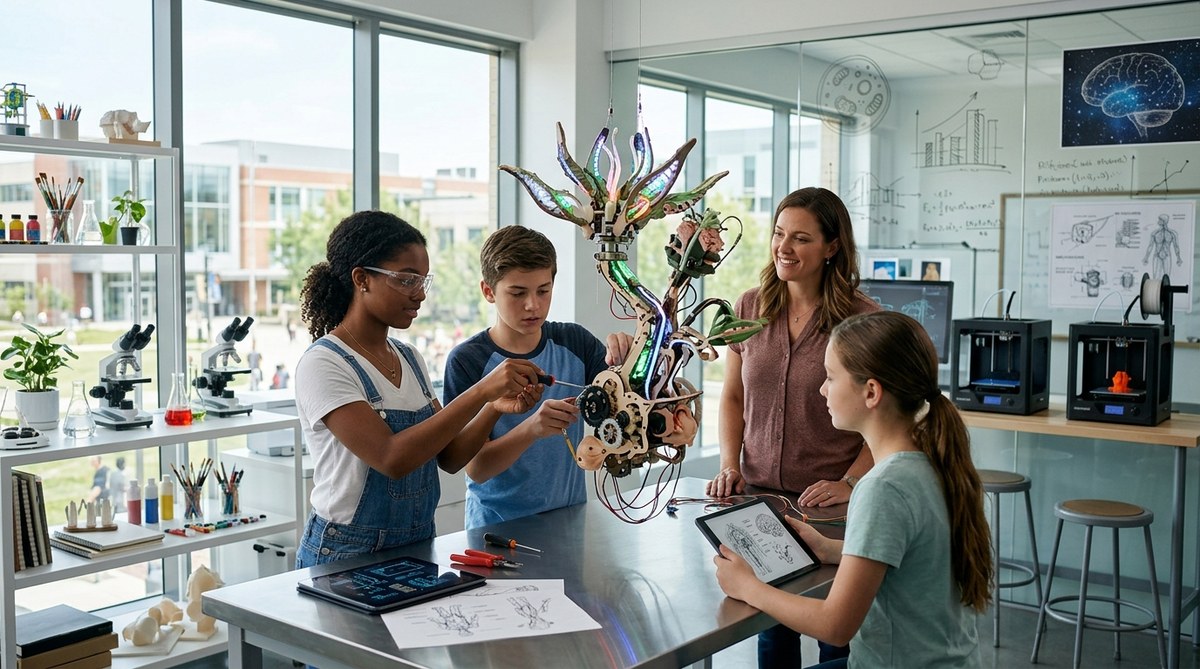
Thinking about ways to make learning more exciting and meaningful? Combining art and science creates a dynamic educational experience that sparks curiosity and nurtures a wide range of skills. These interdisciplinary programs go beyond traditional teaching, encouraging students to think creatively while applying scientific principles. Whether you are a teacher looking to enrich your classroom or a parent seeking engaging activities, discovering the right programs can transform education into a journey of discovery and innovation.
Art and science educational programs blend creativity with scientific inquiry, fostering critical thinking, innovation, and hands-on learning for students of all ages. These programs inspire curiosity and prepare learners for a future where interdisciplinary skills are essential.
What Are Art and Science Educational Programs?
Art and science educational programs are structured learning experiences that integrate artistic expression with scientific concepts. They are designed to cultivate creativity alongside analytical thinking. These programs often include hands-on projects, collaborative activities, and real-world applications that make learning engaging and relevant.
The core idea is to break down the silos between disciplines. Instead of teaching science and art separately, these programs show how they intersect. For example, students might study the physics of light while creating stained glass windows or explore biology through botanical illustrations. The goal is to develop well-rounded thinkers who can approach problems from multiple angles.
Why Combining Art and Science Benefits Learners
Integrating art and science offers many advantages. It encourages students to see connections between different fields, fostering a deeper understanding of both. Artistic activities can help visualize complex scientific ideas, making abstract concepts more tangible. Conversely, scientific principles can inspire innovative artistic creations.
Research shows that interdisciplinary learning boosts creativity, problem-solving skills, and motivation. It also appeals to diverse learning styles, accommodating both visual and kinesthetic learners. For educators, these programs provide fresh ways to engage students and make lessons more meaningful.
“When students learn to see the world through both artistic and scientific lenses, they develop a richer understanding and a more flexible approach to problem-solving,” says Dr. Lisa Carter, an education specialist in interdisciplinary teaching.
Types of Art and Science Educational Programs
There are many formats and themes within this field. Here are some common types:
- Maker spaces and STEM labs: Focus on hands-on projects that combine crafting with scientific experimentation.
- Art-based science workshops: Use drawing, painting, or sculpture to explore scientific ideas.
- Environmental arts programs: Incorporate ecological investigations with community art projects.
- Digital art and coding classes: Blend programming skills with visual design.
- Museum and cultural center programs: Offer exhibitions and workshops that connect art with scientific heritage.
Each type caters to different age groups and interests, making it possible to tailor programs to specific educational goals.
Practical Steps to Incorporate Art and Science Into Education
Ready to bring these programs into your setting? Here are some steps to get started:
- Identify your goals and audience: Determine what skills or concepts you want students to develop and their age range.
- Research available programs and resources: Look for existing initiatives or curriculum guides that focus on interdisciplinary art and science.
- Design hands-on activities: Create projects that require creative expression and scientific inquiry, such as building model ecosystems or illustrating scientific processes.
- Collaborate with specialists: Partner with local artists, scientists, or educational organizations to enrich the program.
- Evaluate and adapt: Collect feedback and refine activities to maximize engagement and learning outcomes.
By following these steps, educators can craft meaningful experiences that foster curiosity and interdisciplinary thinking.
Techniques for Successful Art and Science Education
To make these programs effective, consider the following techniques:
- Use visual aids and models to help students grasp abstract concepts.
- Incorporate storytelling to make scientific ideas memorable.
- Encourage experimentation and iteration to build problem-solving skills.
- Foster collaboration to promote diverse perspectives.
- Connect activities to real-world issues to increase relevance.
| Technique | Common Mistakes | Tips for Success |
|---|---|---|
| Visual aids | Overloading slides with information | Use clear, simple visuals that support key ideas |
| Storytelling | Making stories too complex | Keep narratives straightforward and engaging |
| Experimentation | Allowing no room for failure | Emphasize learning from mistakes |
| Collaboration | Dominant voices overshadow others | Create balanced group roles |
| Relevance | Activities disconnected from real issues | Tie projects to current events or community needs |
Practical Examples of Art and Science Projects
Here are some inspiring projects to try:
- Creating solar print photographs using sunlight and photosensitive paper.
- Designing and building simple robots with artistic decorations.
- Painting biological cell structures based on microscopy images.
- Developing eco-friendly sculptures from recycled materials.
- Exploring sound waves through visual art and musical instruments.
These activities make scientific concepts accessible and fun, encouraging hands-on learning.
How to Avoid Common Pitfalls
While integrating art and science can be rewarding, some challenges may arise. Here are common mistakes to watch for:
- Overcomplicating projects: Keep activities age-appropriate and manageable.
- Neglecting student interests: Involve learners in choosing topics to boost motivation.
- Ignoring safety protocols: Always prioritize safety during experiments and creative activities.
- Lack of assessment: Use reflection and feedback to gauge understanding and improve future lessons.
- Limited resources: Get creative with everyday materials and seek community partnerships.
Remember, the goal is to make learning engaging and accessible. Flexibility and enthusiasm go a long way.
Building a Community Around Art and Science Learning
Creating networks of educators, parents, and community organizations can amplify the impact of these programs. Sharing resources, ideas, and success stories inspires more people to participate. Hosting workshops, exhibitions, or science fairs centered on interdisciplinary projects can showcase student work and motivate others.
Online platforms and social media also offer opportunities to connect. Joining groups focused on innovative education helps stay current with trends and resources. Building a supportive community encourages continuous learning and collaboration.
Final Thoughts: Cultivating Creativity and Inquiry
Integrating art and science in education is more than just a trend; it’s a powerful approach to developing critical skills for the future. These programs foster curiosity, innovation, and resilience. They prepare learners to navigate a complex world with confidence and creativity.
If you’re interested in starting or enhancing art and science educational programs, remember that small steps can lead to big changes. Begin with simple projects, seek partnerships, and always listen to your students’ ideas. The possibilities are endless when creativity meets curiosity.
Encouraging interdisciplinary learning opens doors to new ways of thinking. It transforms education into an adventure where students learn to see connections and solve problems with confidence. Take the first step today to make learning a richer, more engaging experience for everyone involved.
Keep inspiring curiosity through interdisciplinary education
By blending art and science, educators and parents can unlock a world of discovery. These programs nurture not only knowledge but also passion and imagination. The more we support such initiatives, the brighter the future becomes for learners everywhere.