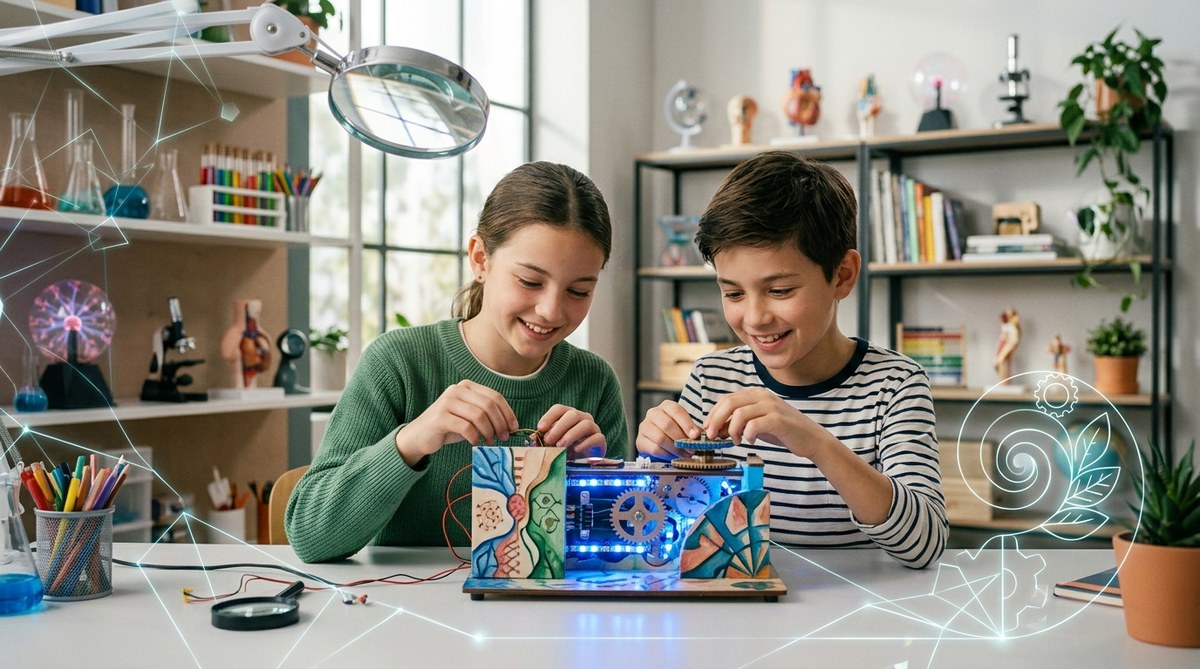
Integrating art and science in education opens a world of possibilities for both teachers and students. It encourages creative thinking alongside analytical skills. When these worlds come together, students develop a richer understanding of concepts and gain skills that prepare them for a variety of future challenges. This approach transforms traditional lessons into engaging, multi-dimensional learning experiences. It sparks curiosity and nurtures a love for learning by connecting seemingly different disciplines in meaningful ways.
Blending art and science in education fosters creativity and critical thinking. It makes learning more engaging and helps students see connections across disciplines, preparing them for real-world problem solving and innovation.
Understanding the Value of Combining Art and Science
Integrating art and science in education isn’t about merging two separate subjects into one. It’s about creating a dynamic environment where creativity fuels scientific inquiry and scientific understanding inspires artistic expression. This interdisciplinary approach supports diverse learning styles and encourages students to think beyond traditional boundaries.
Research shows that when students engage with both art and science, they develop stronger problem-solving skills, enhance their creativity, and improve their ability to communicate complex ideas. By fostering an environment where experimentation, imagination, and empirical evidence coexist, educators can cultivate a more holistic learning experience.
Practical Ways to Fuse Art and Science
Implementing integration between these fields can seem challenging, but simple strategies can make a big difference. Here are some steps to help bring art and science together in your classroom:
-
Identify overlapping themes or concepts
Find topics where art and science naturally intersect. For example, studying the human body can include drawing anatomical diagrams or creating sculptures. Exploring ecosystems might involve painting landscape scenes or designing models of habitats. -
Design interdisciplinary projects
Create assignments that require students to apply both artistic skills and scientific understanding. For instance, students might analyze the physics of light and color to design a visual art project based on optical illusions. -
Use visualizations and models
Encourage students to visualize scientific phenomena through art. Building models of molecules or drawing diagrams of processes like photosynthesis helps deepen understanding through creative expression. -
Incorporate technology and digital tools
Leverage digital design programs or animation software to simulate scientific concepts visually. This approach can make abstract ideas more tangible and engaging. -
Create a collaborative environment
Promote teamwork where students with different strengths—artistic or scientific—work together. This collaboration enhances peer learning and broadens perspectives.
Practical Process for Integrating Art and Science
To embed this approach systematically, consider these three steps:
-
Plan with purpose
Identify learning goals that benefit from interdisciplinary methods. Align art activities with scientific concepts to reinforce understanding. -
Implement diverse activities
Use a mix of hands-on projects, visual arts, and storytelling to cater to varied learning styles. -
Reflect and refine
Encourage students to assess their work and the connections they’ve made, refining their understanding through feedback and discussion.
Common Techniques and Mistakes
| Techniques | Mistakes to Avoid |
|---|---|
| Using art to illustrate scientific ideas | Relying solely on artistic expression without scientific accuracy |
| Creating models or diagrams | Overcomplicating models, making them hard to understand |
| Encouraging creative problem solving | Discouraging experimentation due to fear of errors |
| Incorporating technology for visualization | Neglecting to teach students how to use digital tools properly |
Engaging Students Through Art-Science Fusion
Helping students see the beauty in scientific phenomena through art can ignite a lifelong curiosity. For example, observing the intricate patterns of a snowflake and then creating detailed drawings or sculptures can deepen appreciation. Likewise, experimenting with color mixing in art projects can illustrate principles of light and physics.
“When students connect artistic expression with scientific inquiry, they develop a deeper understanding and a more personal connection to the material,” says education expert Lisa Adams. “This approach nurtures both their creative and analytical skills.”
Overcoming Challenges in Interdisciplinary Teaching
Some educators worry about balancing curriculum requirements or feeling unprepared to teach art or science effectively. To address these concerns:
- Start small with integrated activities that complement existing lessons.
- Use readily available resources like online tutorials, local artist collaborations, or science kits.
- Collaborate with colleagues from different disciplines to share expertise and ideas.
- Remember that the goal is to inspire curiosity and reinforce learning, not to create perfect art or scientific reports.
Resources and Inspiration for Educators
There are numerous resources designed to support art and science integration. Websites like Da Vinci Learning offer guides, lesson plans, and project ideas to help educators incorporate these strategies seamlessly.
In addition, participating in professional development workshops or connecting with fellow teachers can spark new ideas and foster a community of practice. The key is to keep experimenting and staying open to new ways of engaging students.
Why Blending Art and Science Sparks Innovation
Integrating these disciplines encourages a mindset of curiosity and experimentation. Students learn to think critically, observe keenly, and express their ideas confidently. These skills are essential for tackling complex problems and driving innovation in the future.
By weaving art into scientific lessons or vice versa, educators can make abstract concepts tangible. This approach makes learning more accessible and enjoyable, leading to better retention and enthusiasm.
Cultivating a Culture of Curiosity in Your Classroom
Incorporate art and science projects regularly to build a classroom culture that values creativity and inquiry. Use prompts that challenge students to think differently, such as designing a poster explaining a scientific process or creating a sculpture inspired by a biological structure.
Encourage reflection after each project. Ask students what they learned, what surprised them, and how they connected ideas across disciplines. This reflection cements understanding and promotes a growth mindset.
Final Thoughts on Merging Art and Science
Blending art and science in education is more than just a teaching method. It’s a way to unlock students’ full potential by nurturing their imagination alongside their analytical skills. When students see these fields as interconnected rather than separate, they develop a richer, more flexible way of thinking.
Start with small, achievable projects and gradually expand your approach. Remember, the goal is to inspire curiosity, spark creativity, and help students see the world through a broader lens. By doing so, you prepare them to become innovative thinkers and problem solvers of tomorrow.
Ready to bring more creativity into your science lessons? Try integrating art projects that complement your scientific topics. You might be surprised at how much engagement and understanding increase when students see science through a creative lens. Keep experimenting, and watch your classroom transform into a space where curiosity thrives.