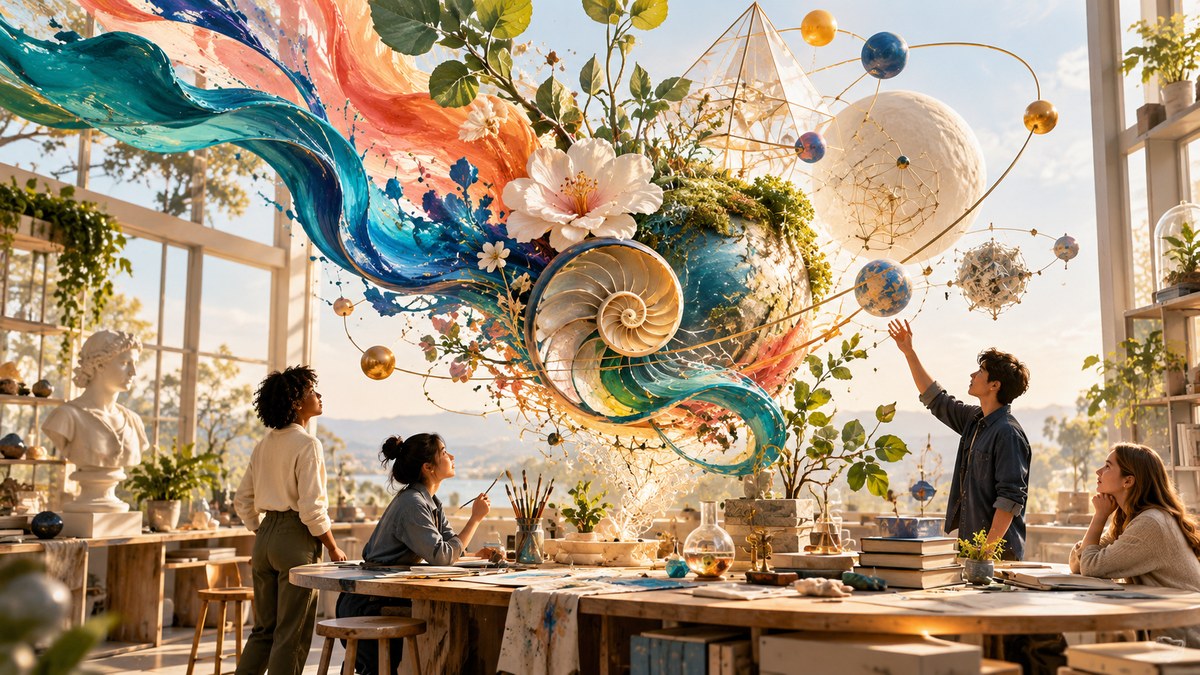
Picture a classroom where students measure the precise angle of a sunflower’s seed spiral, then draw it from memory. They calculate the Fibonacci sequence, mix paint to match the exact gold of a sunse…
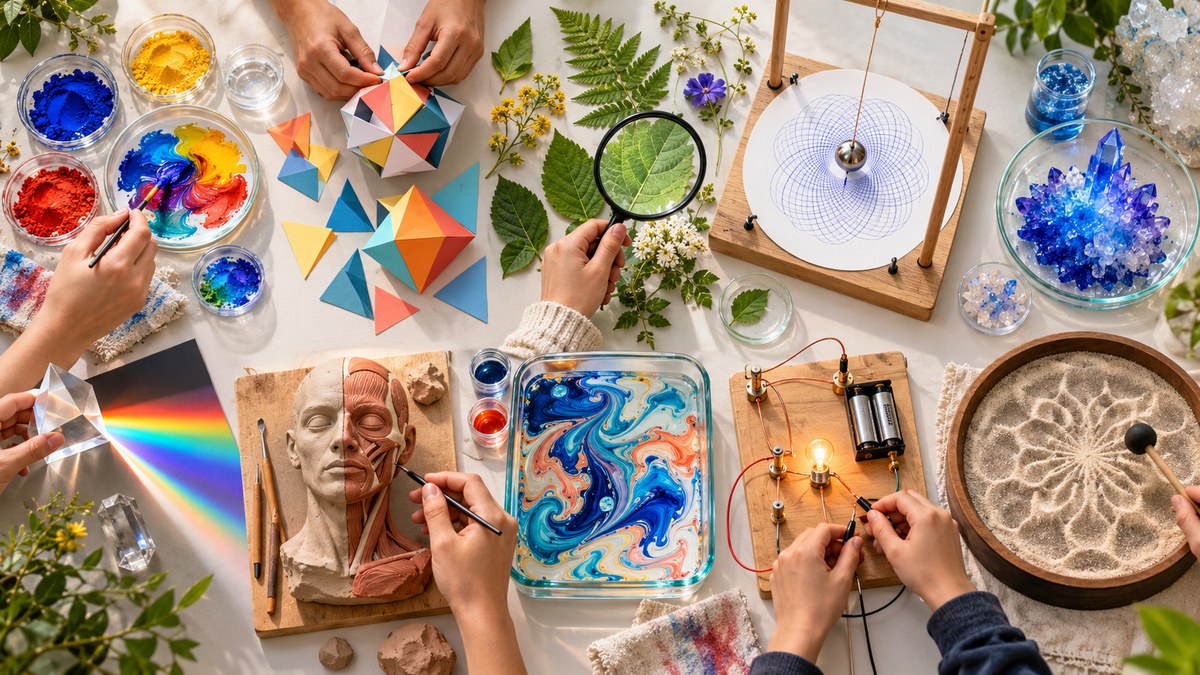
10 Hands-On Activities That Prove Art and Science Are the Same Language
The classroom hums with a different energy today. On one table, a student carefully mixes pigments to match the exact blue of a kingfisher feather. On another, a small group measures the angle of a sh…
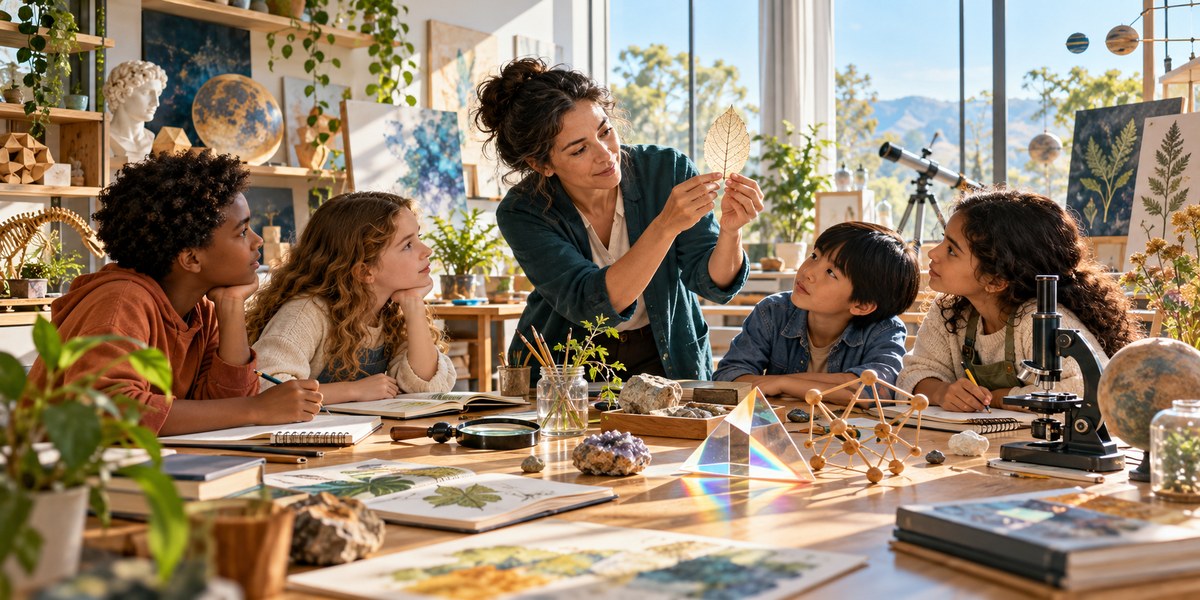
Why the Best Interdisciplinary Teachers Are Professional Question-Askers
The best interdisciplinary teachers share one surprising trait. They do not walk into a classroom thinking they have all the answers. Instead, they walk in thinking they have the best questions. These…
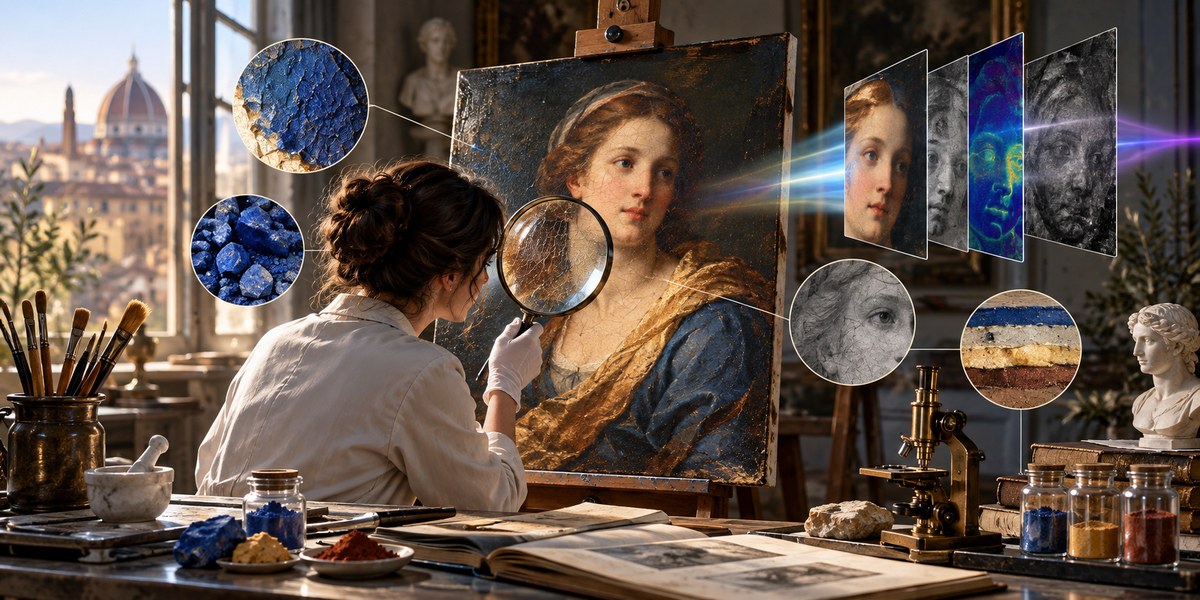
How to Decode a Painting Using the Scientific Method
You are standing in a museum gallery. A painting hangs before you, and you feel something. Maybe it is the mood, maybe the colors, maybe the way the light hits a single figure. But what is actually ha…
Why Combining Art and Science Unlocks Deeper Student Engagement Than Any Single Subject
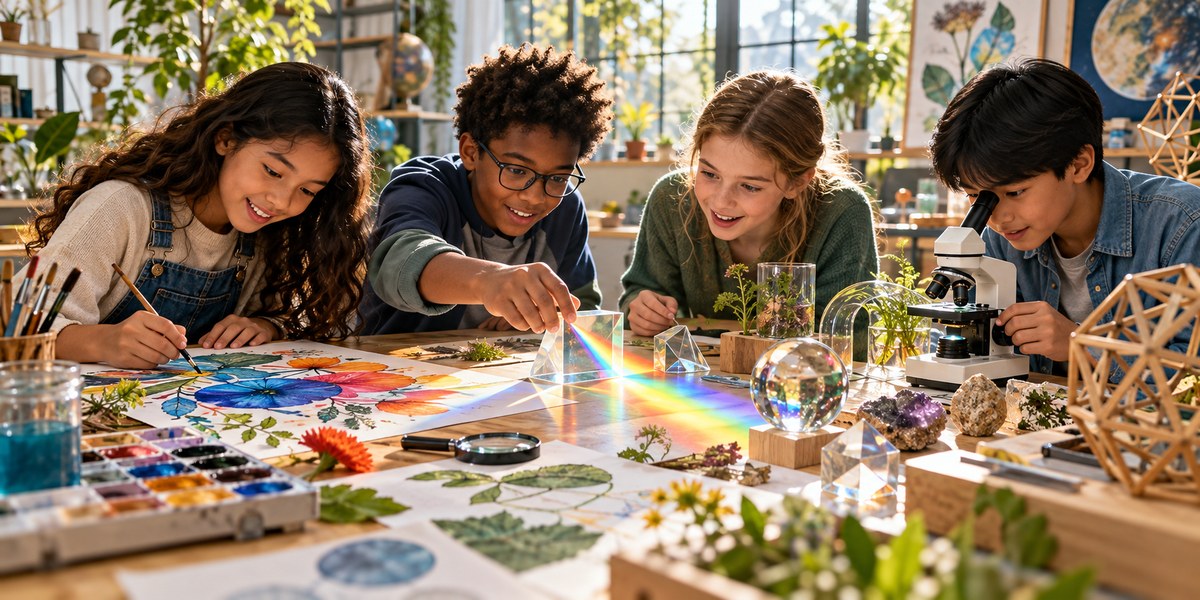
When a student sketches a leaf before labeling its cellular structure, something shifts. The leaf is no longer just a diagram in a textbook. It becomes a living subject of study, one the student has o…
Why Pairing Poetry with Physics Creates Deeper Understanding for Students
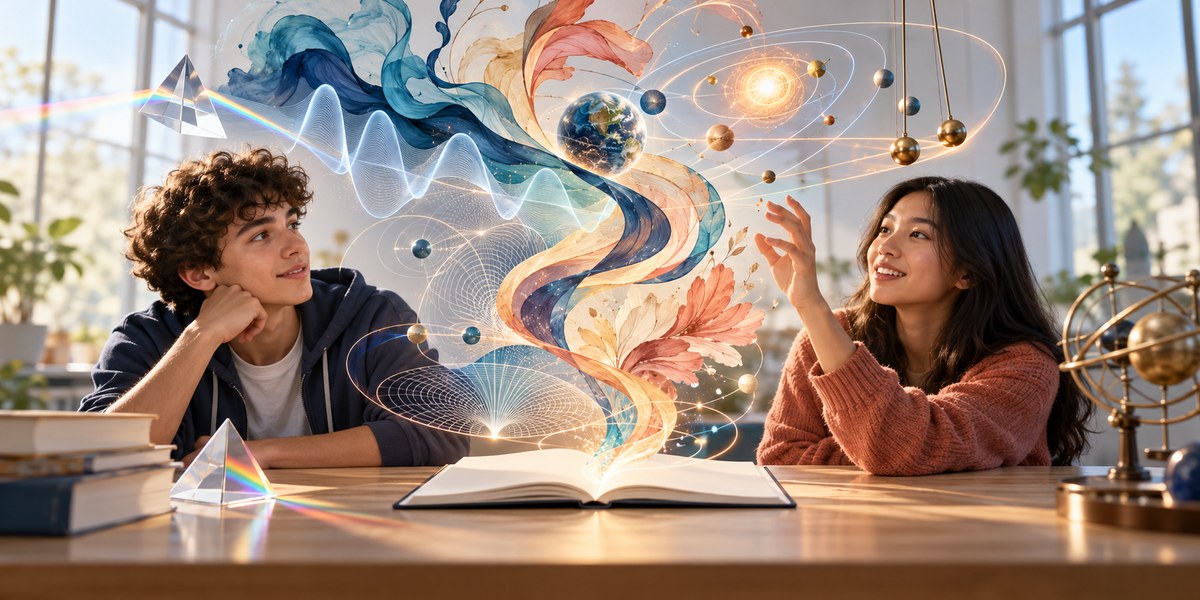
The best physics teachers I have known do not just explain equations. They tell stories about falling apples, about light bending around a star, about the hum of a vibrating string. And the best poets…
How to Use Everyday Objects to Spark Interdisciplinary Inquiry in 2026
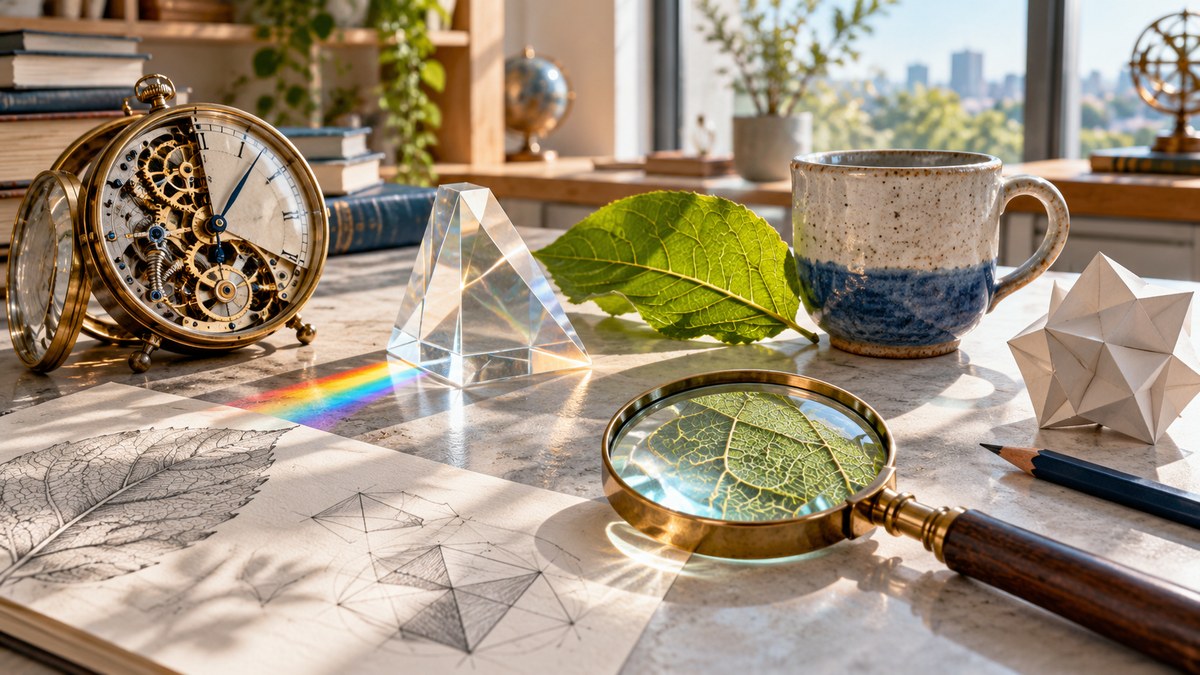
A paperclip sits on your desk. A coffee mug. A single shoe. Most of us see these items and think nothing of them. But for an educator trained in interdisciplinary inquiry, every object is a gateway. T…
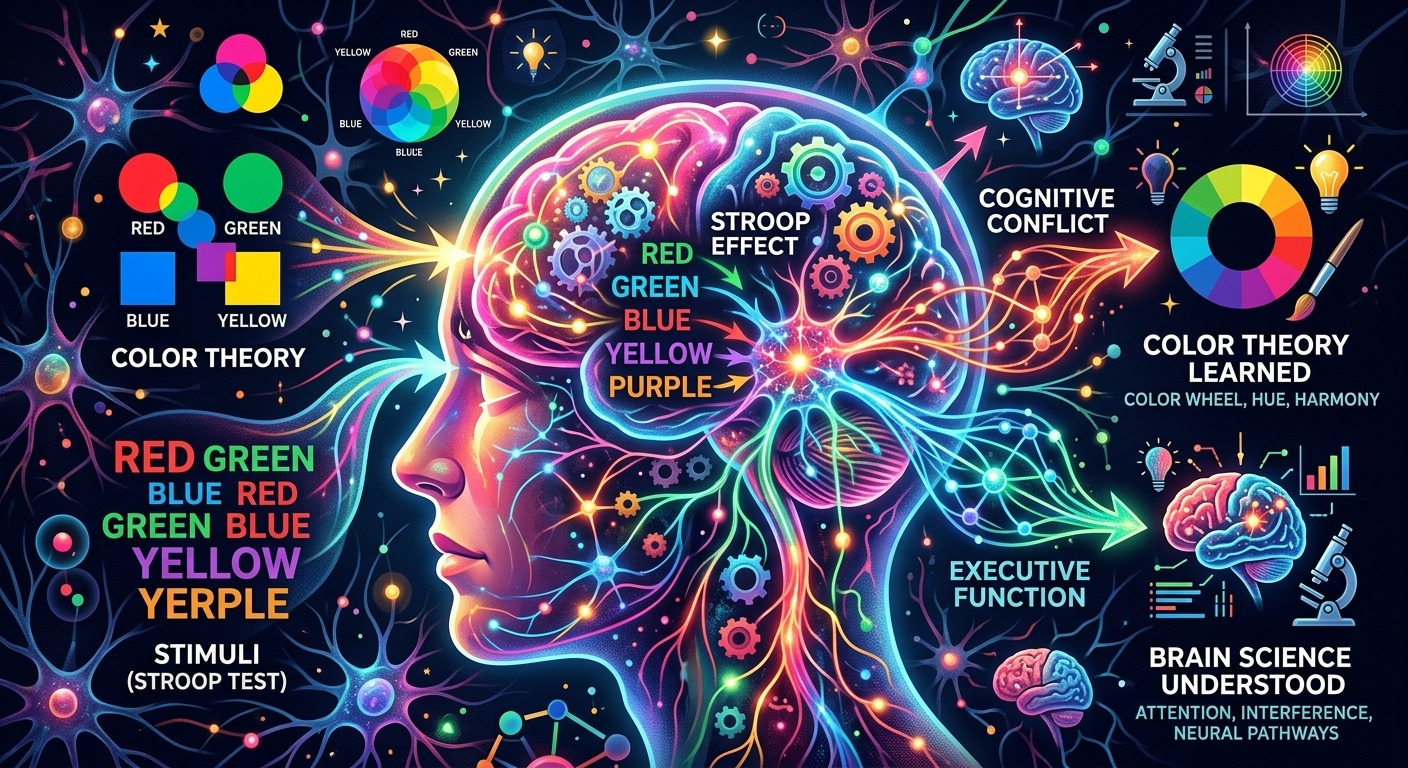
Teaching Color Theory and Brain Science Through the Stroop Effect
Teach color theory and brain science together using the Stroop Effect. A two-period STEAM lesson K-12 teachers can run immediately.
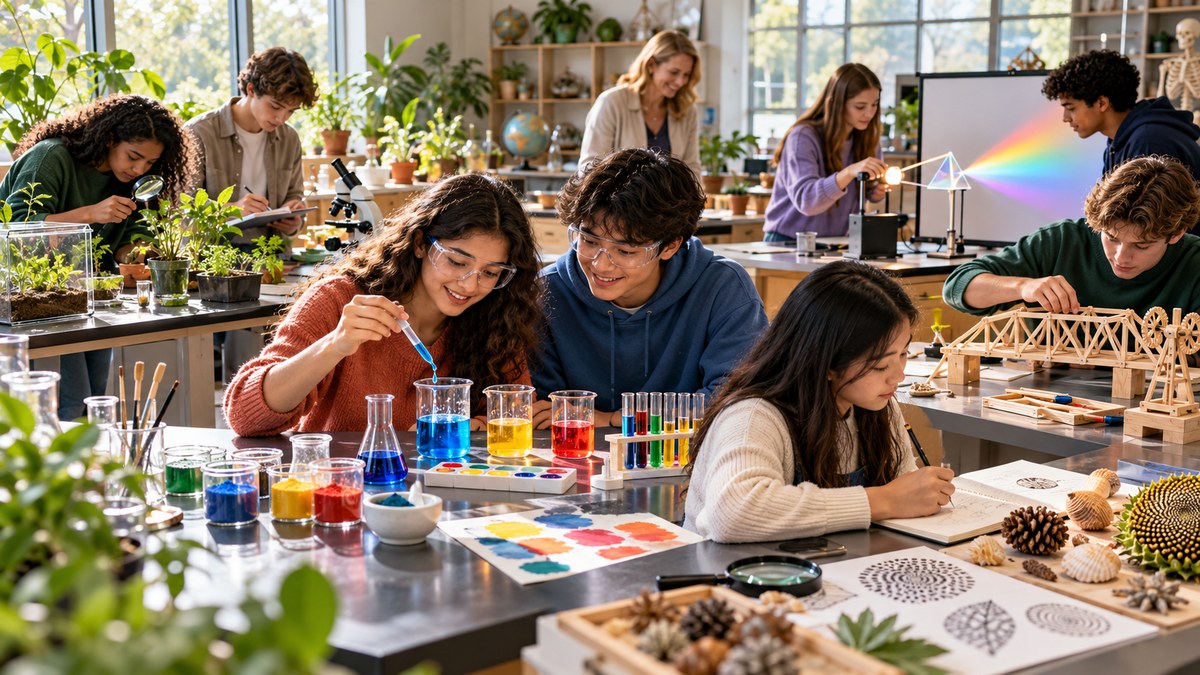
Turn Your Classroom Into a Living Lab With These 5 Interdisciplinary Experiments
Picture a classroom where students measure plant growth during a biology unit, then graph the data in math class, and finally paint watercolor studies of leaf structures in art. That kind of cross-cur…