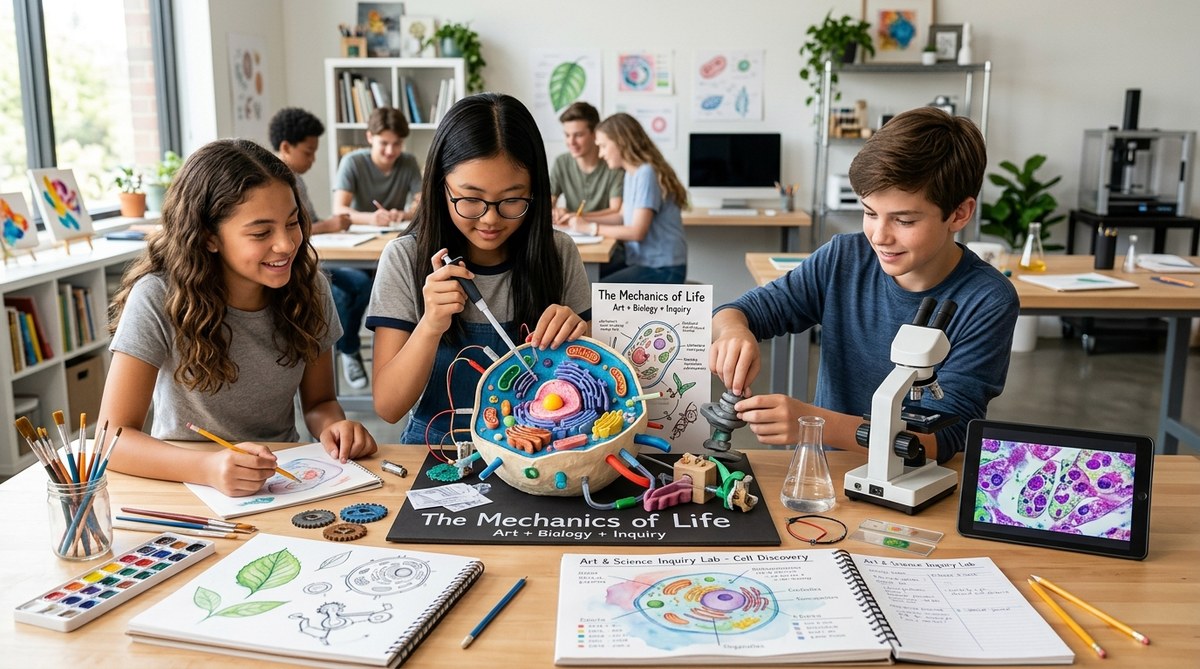
Unlocking the full potential of inquiry-based learning involves more than just questioning and investigation. When educators weave together art and science, they open doors for students to experience concepts in new, meaningful ways. This integration sparks curiosity, nurtures creativity, and builds a deeper understanding of complex ideas. It also makes learning more engaging and accessible for diverse learners. In this guide, we’ll explore how blending art and science enhances inquiry-based education and share practical ways to bring this approach into your classroom.
Integrating art and science in inquiry-based learning creates engaging, concept-driven experiences that foster creativity, critical thinking, and deeper understanding for students across all age groups.
Why blending art and science boosts inquiry learning
Combining artistic and scientific approaches taps into different ways of thinking. Science leans toward analysis, data, and logical reasoning. Art emphasizes creativity, intuition, and expression. When these modes intersect, students see ideas from multiple angles. They can visualize complex scientific concepts through artistic representations or use scientific methods to inform their artistic projects.
This synergy encourages students to become active participants in their learning. They develop skills in observation, experimentation, and critical reflection. Using artistic activities to explore scientific ideas makes abstract concepts tangible and memorable. Conversely, scientific inquiry can add structure and rigor to creative processes.
Practical steps for integrating art and science in your classroom
Creating a seamless blend of art and science requires thoughtful planning. Here are steps to guide you:
- Identify core concepts you want students to learn. These could be related to ecosystems, physics, or human anatomy.
- Design inquiry projects that incorporate both artistic and scientific elements. For example, students might create visual representations of the water cycle or build models demonstrating physics principles.
- Select appropriate art activities that complement scientific investigations. This could include drawing diagrams, making sculptures, or using digital media.
- Use scientific data to inspire artistic expression. Students can analyze patterns, gather measurements, or observe phenomena to inform their artworks.
- Encourage reflection and discussion about how art and science inform each other. This promotes critical thinking and helps students articulate their understanding.
1. Start with a compelling question
Begin projects with open-ended questions that invite exploration. For example, “How can art help us understand the human body?” or “What artistic techniques can illustrate the principles of motion?” This sets a curious tone and guides inquiry.
2. Incorporate hands-on activities
Use experiments and artistic creation side by side. For example, students might observe how light interacts with different materials and then create stained glass windows or light sculptures to demonstrate their understanding.
3. Use cross-disciplinary resources
Leverage resources like science diagrams, art supplies, digital tools, and multimedia. Collaborate with specialists or access online platforms that focus on arts integration, such as arts integration.
4. Foster collaborative projects
Encourage students to work in teams. One group could research a scientific topic while another artistically interprets their findings. Together, they can present a comprehensive project that combines data and creativity.
5. Assess creatively
Evaluation should reflect both scientific accuracy and artistic expression. Use rubrics that balance technical understanding with originality and aesthetic quality.
Techniques and common pitfalls
To assist in planning, here’s a quick comparison of effective techniques and mistakes to avoid:
| Technique | Mistake to Avoid |
|---|---|
| Using visual art to represent scientific data | Relying solely on artistic aesthetics without scientific accuracy |
| Creating models based on scientific principles | Overlooking the importance of process reflection |
| Incorporating storytelling to explain scientific concepts | Neglecting hands-on experimentation |
| Encouraging student-led inquiry | Giving too much direction, limiting creativity |
Expert advice on merging art and science
“When teachers create opportunities for students to explore scientific ideas through artistic lenses, they foster both analytical thinking and creative problem-solving. This approach helps learners see science not just as facts but as a living, breathing part of their world.” — Dr. Lisa Martin, education researcher and arts integration advocate
Techniques that inspire inventive learning
- Drawing diagrams or sketches to visualize complex processes.
- Building physical models or sculptures to demonstrate scientific concepts.
- Using digital media and animation to animate scientific phenomena.
- Writing stories or poems inspired by scientific discoveries.
Mistakes that hinder the process
- Separating art and science activities without connecting them.
- Focusing only on aesthetics without understanding the scientific basis.
- Rushing through projects without reflection or discussion.
- Limiting student choice and voice in project design.
How to avoid common pitfalls
- Always tie artistic activities directly to scientific inquiry.
- Emphasize the learning process over the finished product.
- Provide opportunities for students to reflect on how art enhances their understanding.
- Use formative assessments to guide ongoing learning.
Building a vibrant inquiry culture through art and science
When students see science and art as complementary, they develop a mindset geared toward curiosity and discovery. This approach supports inquiry skills like questioning, hypothesizing, experimenting, and communicating. It also nurtures confidence, as students realize they can understand complex ideas creatively.
Tips for success:
- Create a classroom environment that values exploration and openness.
- Incorporate regular reflection sessions.
- Connect projects to real-world issues to increase relevance.
- Celebrate diverse forms of expression and understanding.
Bringing the approach into your practice
Incorporating art and science into inquiry-based learning doesn’t require a complete overhaul of your curriculum. Start small with a project or lesson that naturally lends itself to integration. Over time, expand your activities and build a culture that values interdisciplinary thinking.
Remember, the goal is to make learning engaging and meaningful. When students connect scientific concepts with their artistic talents, they become active creators of knowledge. This approach not only deepens understanding but also cultivates a lifelong love for inquiry and discovery.
Creative pathways for inquiry learning
Integrating art and science opens up many avenues for engaging students in meaningful exploration. Use their natural curiosity and creative talents to make scientific concepts come alive. Whether through building models, illustrating ideas, or storytelling, the possibilities are endless.
Encourage your students to see science as a source of inspiration for their art projects and vice versa. As they do, they will develop a richer appreciation for both disciplines and learn to think more flexibly.
Keep in mind that every classroom is unique. Tailor activities to your students’ interests, resources, and curriculum goals. The key is to foster a mindset of inquiry, creativity, and collaboration.
By weaving art and science into inquiry-based lessons, you create a dynamic learning environment where students not only learn facts but also develop skills to question, innovate, and communicate effectively. This holistic approach prepares them for a future where interdisciplinary thinking is highly valued.
Start today by choosing a scientific concept that excites your students and thinking about how they could explore it through artistic expression. Small steps can lead to big, inspiring changes in your teaching and your students’ learning journeys.