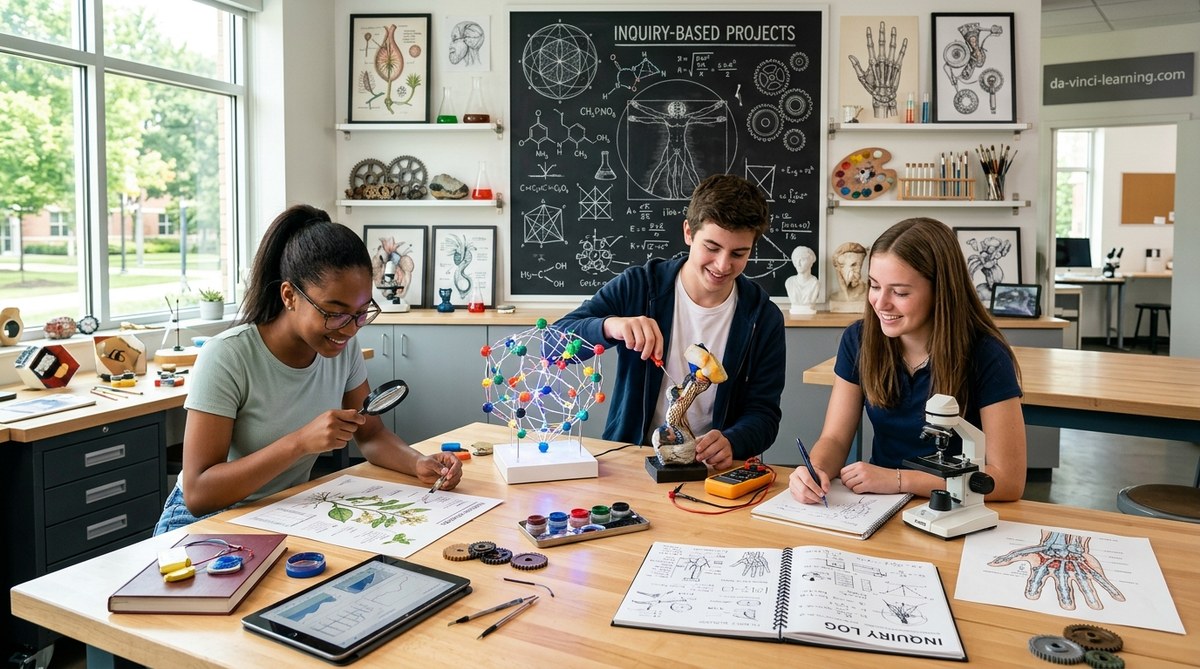
Engaging with the intersection of art and science opens up a world of possibilities. It encourages curiosity, nurtures creativity, and promotes collaborative problem-solving. Whether in classrooms, community workshops, or personal pursuits, projects that combine these fields spark innovation and deepen understanding. By blending artistic expression with scientific inquiry, participants can see the connections between seemingly disparate disciplines and develop new ways of thinking about the world.
Art and science intersection projects stimulate creativity and curiosity by encouraging collaboration across disciplines. They help learners see connections, foster innovation, and develop new perspectives through inquiry-based approaches that combine artistic expression with scientific investigation.
Understanding the value of art and science collaboration
Bringing art and science together offers more than just aesthetic appeal or technical knowledge. These projects serve as a bridge that enhances critical thinking and problem-solving skills. When students or enthusiasts get to experiment with both artistic techniques and scientific concepts, they develop a deeper understanding of how the natural world operates while learning to communicate ideas creatively.
For educators, integrating art and science into projects creates engaging learning environments. It opens pathways for learners of different ages and backgrounds to participate actively in discovery. This interdisciplinary approach fosters curiosity, encourages questions, and often leads to unexpected insights.
Practical steps to develop art and science intersection projects
Creating meaningful projects that blend these fields involves a clear process. Here are some steps to guide you:
-
Define your goals and themes. Decide what scientific concepts or phenomena you want to explore and how art can visualize or interpret them.
-
Gather resources and materials. This might include scientific tools, art supplies, or digital tools for virtual projects.
-
Plan collaborative activities. Include brainstorming, experimentation, and reflection phases to ensure active participation and learning.
-
Implement and iterate. Encourage experimentation, allow room for mistakes, and refine your projects based on feedback.
Simple process for starting projects
-
Choose a scientific topic or question that sparks curiosity. For example, how do plants grow under different light conditions?
-
Brainstorm artistic ways to interpret the concept. Think about drawing, sculpture, or digital art that visualizes plant growth or cellular processes.
-
Conduct experiments or gather data. Track plant growth, record observations, or simulate processes.
-
Create an artistic piece that represents your findings or understanding. Share your work with others to inspire further inquiry.
Scanning for success and pitfalls
-
What works: Combining hands-on experiments with visual storytelling enhances comprehension and engagement.
-
Common mistakes: Overloading projects with too many goals can dilute focus. Keep activities manageable and aligned with your learning objectives.
| Technique | Possible Mistake | Solution |
|---|---|---|
| Visual data representation | Using complex diagrams that confuse learners | Use simple, clear visuals with explanations |
| Collaborative brainstorming | Dominance of certain voices | Establish equal participation norms |
| Artistic interpretation | Ignoring scientific accuracy | Balance creativity with factual correctness |
Examples of inspiring art and science projects
-
BioArt installations: Artists like Eduardo Kac create living artworks that challenge perceptions of biology and art. These projects often involve genetic manipulation or living organisms to express scientific ideas visually.
-
Data sculptures: Students visualize climate data through sculptures or murals, making abstract numbers tangible and compelling.
-
Science-inspired performances: Dance or theater pieces based on scientific phenomena, such as cellular division or cosmic events, bring scientific concepts to life through movement and storytelling.
“Incorporating art into scientific projects does more than decorate results. It transforms data into stories and concepts into experiences, making science accessible and memorable,” advises Dr. Lisa Carter, a science educator specializing in interdisciplinary learning.
Techniques and common mistakes in art and science projects
| Technique | Common Mistake | Best Practice |
|---|---|---|
| Using visual metaphors | Oversimplifying scientific concepts | Ensure metaphors accurately reflect the science while remaining engaging |
| Data visualization | Overcomplicating visuals | Keep visuals straightforward and informative |
| Collaborative projects | Lack of clear roles | Define roles to ensure balanced participation |
Getting started with your own projects
-
Identify a scientific question that excites you or your group. It might be about ecosystems, physics, or human biology.
-
Brainstorm artistic methods to represent or investigate the topic. Think about painting, sculpture, digital art, or performance.
-
Collect data or conduct experiments related to your question. Record observations meticulously.
-
Create your artistic piece, integrating your scientific insights. Share your work to inspire others.
Tips for success
- Keep projects open-ended to allow creativity to flourish.
- Encourage teamwork and diverse perspectives.
- Use technology to enhance both scientific analysis and artistic expression.
Connecting curiosity with creativity
Engaging with art and science intersection projects helps develop essential skills. It fosters curiosity, enhances critical thinking, and cultivates a mindset open to innovation. These projects can be adapted for classrooms, community centers, or individual pursuits, making them versatile tools for learning and discovery.
To deepen your understanding and gain practical ideas, consider visiting resources that focus on integrating art and science, such as learning guides and activity kits. They provide a wealth of inspiration to help you start your own journey.
Making the most of interdisciplinary projects in your environment
Creating projects at the intersection of art and science requires a supportive environment. Encourage curiosity, provide access to diverse tools, and foster collaboration. Whether you are teaching a class, leading a community workshop, or exploring on your own, embracing this approach can lead to exciting discoveries.
Remember, the goal is to connect ideas, inspire creativity, and cultivate a love for learning. When art and science come together, new worlds open up for exploration.
Cultivating a creative scientific mindset
By integrating artistic methods into scientific inquiry, learners gain new perspectives. They learn to see patterns, visualize complex data, and communicate ideas effectively. This approach nurtures a mindset that values curiosity and innovation — essential qualities for future scientists, artists, and thinkers.
Getting started might seem daunting, but the key is to experiment and enjoy the process. Small projects can lead to big insights and can inspire ongoing exploration.
Final thoughts on blending art and science
Art and science intersection projects are more than just a creative endeavor. They serve as powerful tools for understanding, communicating, and innovating. By fostering curiosity and collaboration, these projects help break down traditional academic barriers and open pathways to new ways of thinking.
Encourage yourself and others to pursue these interdisciplinary adventures. Whether through classroom activities, community programs, or personal experiments, combining art and science can transform learning into a dynamic, meaningful experience.
Engage with the world around you with curiosity and creativity. Your next great idea might just stem from the beautiful intersection of art and science.